
On October 14, 2025, Microsoft released its latest Patch Tuesday update, which has been described as “terrifyingly large” due to the significant number of vulnerabilities it addresses, including a critical zero-day vulnerability. This update is particularly alarming for system administrators and…

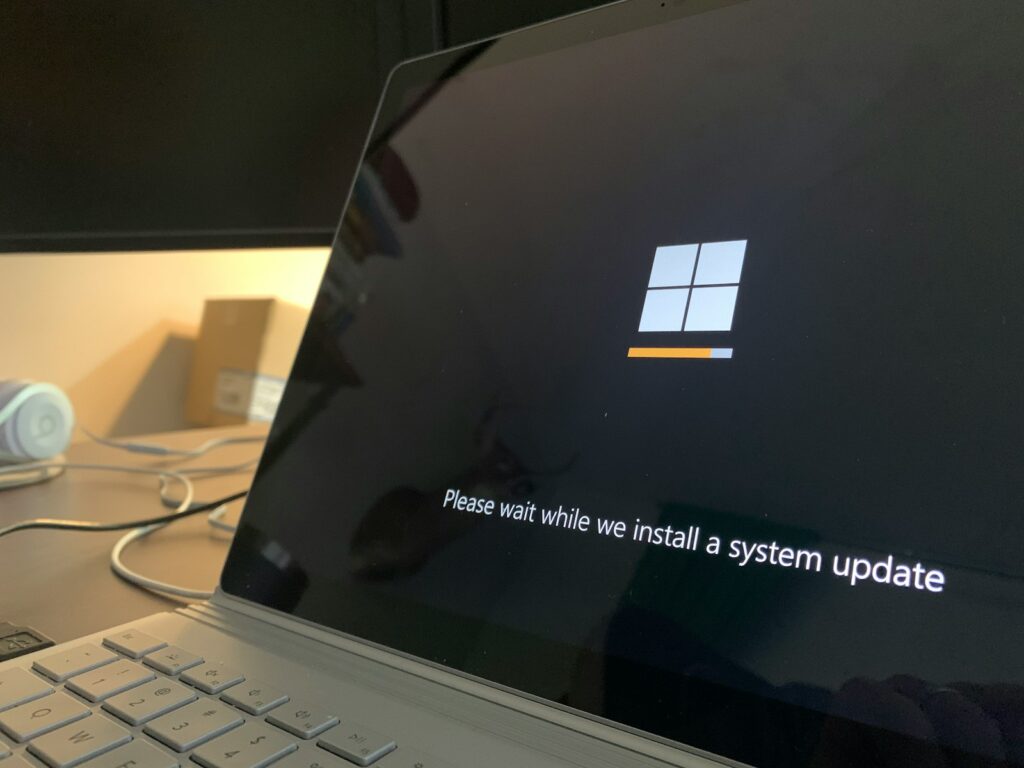
On October 14, 2025, Microsoft released its latest Patch Tuesday update, which has been described as “terrifyingly large” due to the significant number of vulnerabilities it addresses, including a critical zero-day vulnerability. This update is particularly alarming for system administrators and cybersecurity professionals, as it includes actively exploited zero-day vulnerabilities and high-severity privilege escalation bugs. Notably, this update also marks the end of updates for Windows 10, pushing users towards newer versions of the operating system.
Details of the October Patch Update
The October Patch Tuesday update includes a comprehensive list of fixes aimed at bolstering network security and data protection for users. Among the vulnerabilities addressed, the zero-day vulnerability is the most concerning. This type of vulnerability is particularly dangerous because it was previously unknown to security researchers, meaning there are no existing patches or mitigations available before its public disclosure. The inclusion of such vulnerabilities in the update highlights the ongoing challenges faced by Microsoft in securing its software products.
In addition to the zero-day vulnerabilities, the update addresses several high-severity privilege escalation bugs. These bugs could potentially allow attackers to gain elevated access to systems, posing a serious threat to users’ data and privacy. As cyber threats continue to evolve, the importance of timely updates cannot be overstated, especially in light of the current threat landscape.
Impact on Users and Cybersecurity
The implications of this massive update extend beyond just technical fixes. For users, the active exploitation of zero-day vulnerabilities means that systems could be compromised before patches are applied. This represents a significant risk for individuals and organizations alike, as attackers can exploit these vulnerabilities to gain unauthorized access to sensitive data or disrupt operations.
In the context of cybersecurity, the release of such a large patch update underscores the necessity of maintaining vigilant security practices. Users must prioritize updating their systems to mitigate the risks associated with these vulnerabilities. Furthermore, organizations should consider implementing additional security measures, such as multi-factor authentication, to enhance their defenses against potential attacks.
Context
The cybersecurity landscape is constantly evolving, with new threats emerging regularly. The release of this October patch serves as a reminder of the critical need for proactive measures in network security. As organizations transition away from Windows 10, they must remain aware of the potential vulnerabilities that can arise from outdated software. The decision to stop supporting older versions of Windows places additional pressure on users to keep their systems updated and secure.
What to do
To protect against the vulnerabilities addressed in the October Patch Update, users should take the following steps:
- Update all affected software to the latest versions immediately.
- Enable automatic updates where possible to ensure timely patching of vulnerabilities.
- Monitor security advisories from affected vendors for any additional updates or recommendations.
- Use a VPN like Surfshark or ProtonVPN to protect your internet traffic while browsing.
- Consider implementing additional security measures, such as multi-factor authentication, to enhance your overall security posture.
Source
For more cybersecurity news, reviews, and tips, visit QuickVPNs.







