ChatGPT Vulnerability Discovered in Custom GPTs
A significant vulnerability has been uncovered in the ChatGPT platform that exposes critical flaws in its underlying cloud infrastructure. A researcher identified a Server-Side Request Forgery (SSRF) vulnerability related to custom GPTs, which allo…

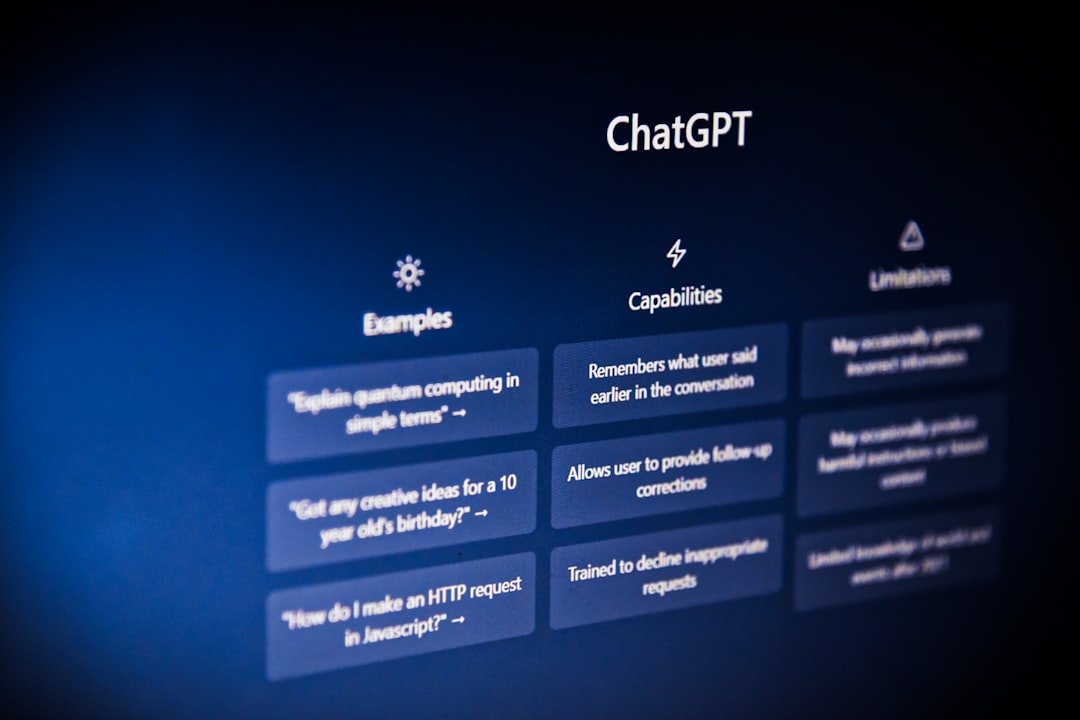
ChatGPT Vulnerability Discovered in Custom GPTs
A significant vulnerability has been uncovered in the ChatGPT platform that exposes critical flaws in its underlying cloud infrastructure. A researcher identified a Server-Side Request Forgery (SSRF) vulnerability related to custom GPTs, which allows attackers to exploit the system and potentially gain access to sensitive resources. Specifically, this vulnerability enables the extraction of Azure access tokens, which could lead to unauthorized access to various services within the Azure cloud environment.
This revelation raises substantial concerns in the cybersecurity community, particularly regarding the integrity and security of the infrastructure sector. As organizations increasingly rely on cloud-based solutions for their operations, vulnerabilities like this can have far-reaching implications. The potential for exploitation not only threatens the security of individual users but also poses risks to businesses that depend on these technologies for data protection and network security.
Impact on User Privacy and System Integrity
The exposure of the ChatGPT vulnerability poses a serious risk to user privacy and the overall integrity of systems utilizing the platform. If an attacker successfully exploits the SSRF vulnerability, they could gain access to sensitive information and resources, undermining the trust that users place in cloud services. This is particularly alarming as organizations are tasked with safeguarding their data and ensuring compliance with various data protection regulations.
Moreover, the implications extend beyond individual users to the broader cybersecurity landscape. Organizations that utilize ChatGPT for their operations must remain vigilant and proactive in addressing such vulnerabilities to avoid potential breaches. The incident serves as a reminder of the importance of robust security measures and continuous monitoring of systems to protect against emerging threats.
Context
In recent years, the infrastructure sector has seen a surge in the adoption of AI-driven technologies, including platforms like ChatGPT. While these advancements offer numerous benefits, they also introduce new vulnerabilities that can be exploited by malicious actors. The SSRF vulnerability discovered in ChatGPT is a stark example of how critical it is for organizations to prioritize cybersecurity and implement comprehensive strategies to safeguard their data and systems.
With the increasing complexity of cloud environments, organizations must be aware of the potential risks associated with their infrastructure. Continuous security assessments, timely updates, and effective incident response plans are essential components of a robust cybersecurity posture.
What to do
Organizations and users are encouraged to take immediate action to mitigate the risks associated with the ChatGPT vulnerability. Here are some practical steps to consider:
1. Update all affected software to the latest versions immediately to close any security gaps.
2. Enable automatic updates wherever possible to ensure that systems remain protected against emerging threats.
3. Monitor security advisories from affected vendors for updates and patches related to the vulnerability.
4. Use a VPN like Surfshark or ProtonVPN to protect your internet traffic and enhance your online privacy.
5. Consider implementing additional security measures such as multi-factor authentication to further safeguard access to sensitive systems.
By taking these proactive steps, users and organizations can better protect themselves against potential exploitation of the ChatGPT vulnerability and enhance their overall cybersecurity measures.
Source
For more cybersecurity news, reviews, and tips, visit QuickVPNs.