New Team in Brussels to Address AI Threats
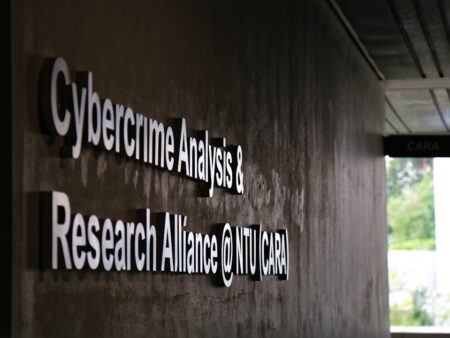
The European Union (EU) is taking significant steps to crack down on the rising threats posed by AI deepfakes, illicit imagery, and hacking. As part of this initiative, a new team has been established in Brussels, aimed at enhancing cybersecurity and en…



New Team in Brussels to Address AI Threats
The European Union (EU) is taking significant steps to crack down on the rising threats posed by AI deepfakes, illicit imagery, and hacking. As part of this initiative, a new team has been established in Brussels, aimed at enhancing cybersecurity and ensuring data protection across member states. This move comes in response to increasing concerns about the misuse of artificial intelligence technologies, which have the potential to undermine trust in digital communications and compromise network security.
The EU’s forthcoming AI Act will require AI companies to implement clear labeling or digital watermarks on chatbots and imagery generated using AI. This regulation is intended to inform consumers about the nature of the content they are interacting with, thereby increasing transparency and reducing the risk of deception through deepfakes. The act is expected to come into force soon, marking a pivotal moment in the EU’s approach to regulating AI technologies.
Impact on Cybersecurity and Data Protection
The implications of this crackdown on AI deepfakes and hacking are profound. Remote code execution (RCE) vulnerabilities are a significant concern, as they allow attackers to execute arbitrary code on affected systems. This type of threat poses risks not only to individual users but also to organizations that rely on secure networks and data protection measures. By addressing these vulnerabilities, the EU aims to bolster cybersecurity and enhance threat intelligence capabilities across the region.
The establishment of this new team in Brussels signifies the EU’s commitment to proactively tackling the challenges posed by emerging technologies. As AI continues to evolve, the potential for misuse grows, making it essential for regulatory bodies to adapt and implement effective measures to safeguard users’ privacy and security.
Context
As AI technologies become increasingly integrated into daily life, the potential for misuse has raised alarms among policymakers and cybersecurity experts. Deepfakes, which can manipulate video and audio content to create misleading representations, have already been implicated in various forms of misinformation and fraud. The EU’s proactive stance aims to mitigate these risks and establish a framework for responsible AI use.
In addition to deepfakes, the rise of illicit imagery and hacking threats necessitates a comprehensive approach to cybersecurity. With the proliferation of digital devices and online platforms, vulnerabilities are more prevalent than ever, underscoring the importance of robust data protection measures.
What to do
To protect yourself in light of these developments, consider the following steps:
1. Update all affected software to the latest versions immediately to patch any vulnerabilities.
2. Enable automatic updates where possible to ensure you receive timely security fixes.
3. Monitor security advisories from affected vendors to stay informed about potential threats.
4. Use a VPN like NordVPN or Surfshark to protect your internet traffic and enhance your online privacy.
5. Consider implementing additional security measures such as multi-factor authentication to further safeguard your accounts.
Source
For more cybersecurity news, reviews, and tips, visit QuickVPNs.